Aluminum CNC Machining for Automotive Brackets | High Precision & Fast Quote

Precision CNC Machining for Automotive Aluminum Brackets

Aluminum CNC machining plays a critical role in the production of automotive brackets, especially for electric vehicles and sensor systems where precision and lightweight design are essential.

If you are looking for a reliable supplier for custom automotive brackets, we provide high-precision CNC machining with fast turnaround and stable quality control.

CNC Machining for Automotive Applications

In the automotive industry, brackets are widely used for:

  • Sensor mounting systems
  • Battery structures (EV)
  • Engine and transmission support
  • Electronic control units (ECU)

These components require tight tolerances, durability, and consistency in mass production.

CNC machining ensures high repeatability and precise dimensions, making it the ideal solution for automotive bracket manufacturing.

Why Aluminum is Ideal for Automotive Brackets

Aluminum alloys are commonly used due to their excellent properties:

  • Lightweight and strong
  • Corrosion resistance
  • Good machinability
  • Cost-effective for both prototyping and production

Common Grades We Use:

  • Aluminum 6061 – versatile and cost-efficient
  • Aluminum 7075 – high strength for structural parts
Our CNC Machining Capabilities

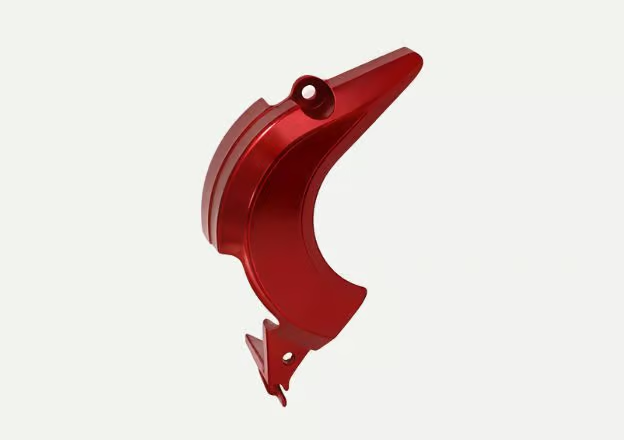
We provide advanced CNC machining services for automotive parts:

  • Tolerance: up to ±0.01mm
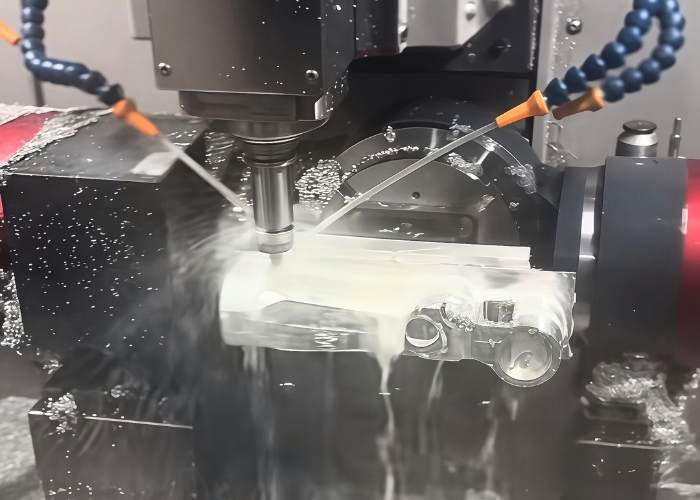
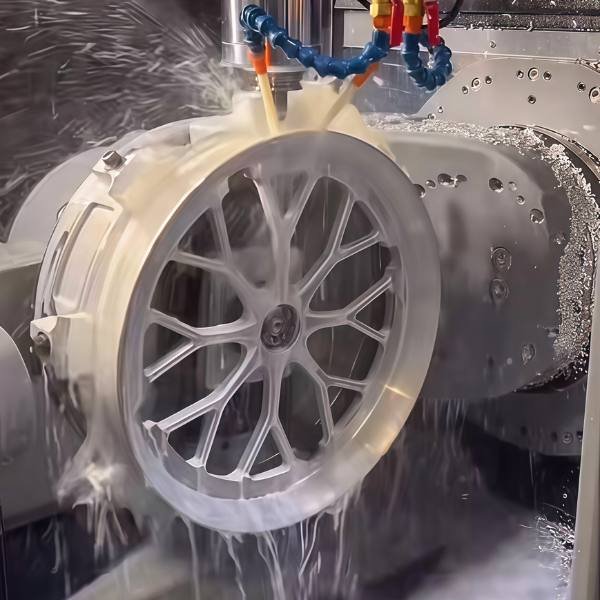
  • Processes: CNC milling, CNC turning, 5-axis machining
  • Surface finishes:
  • Anodizing (black, clear)
  • Sandblasting
  • Powder coating

We support both rapid prototyping and mass production.

Case Study: Aluminum Automotive Bracket

We recently completed a project for an EV manufacturer requiring precision aluminum brackets for a sensor mounting system.

Project Details:

  • Material: Aluminum 6061
  • Quantity: 500 pcs
  • Tolerance: ±0.01mm
  • Surface finish: Black anodizing
  • Lead time: 7 days

Challenges:

Complex geometry with multiple mounting points
Strict tolerance requirements
Surface durability under vibration

Solution:

5-axis CNC machining for accuracy
Precision drilling for alignment
Full deburring and anodizing treatment

Result:

  • 100% inspection pass rate
  • Perfect assembly fit
  • Delivered ahead of schedule

Common Challenges in Automotive CNC Machining

Manufacturing automotive brackets often involves:

  • Tight tolerances for assembly alignment
  • Complex geometries
  • High volume consistency requirements

We address these challenges with advanced machining strategies and strict quality control processes.

Why Choose Our CNC Machining Services

  • Fast quotation within 12 hours
  • Experienced engineering support
  • Consistent quality for production runs
  • Global shipping and export experience

We help automotive clients reduce costs and improve manufacturing efficiency.
FAQ

Q: What is the typical lead time for automotive CNC parts?
A: Usually 5–10 days depending on complexity and quantity.

Q: What file formats do you accept?
A: STEP, STL, PDF, and DWG files.

Q: Can you support low-volume production?
A: Yes, we specialize in both prototyping and small-batch production.

Drone CNC Machining Services | Custom UAV Precision Parts Manufacturer

Industry: UAV / Mining Automation

Client: A professional mining drone manufacturer (Confidential)

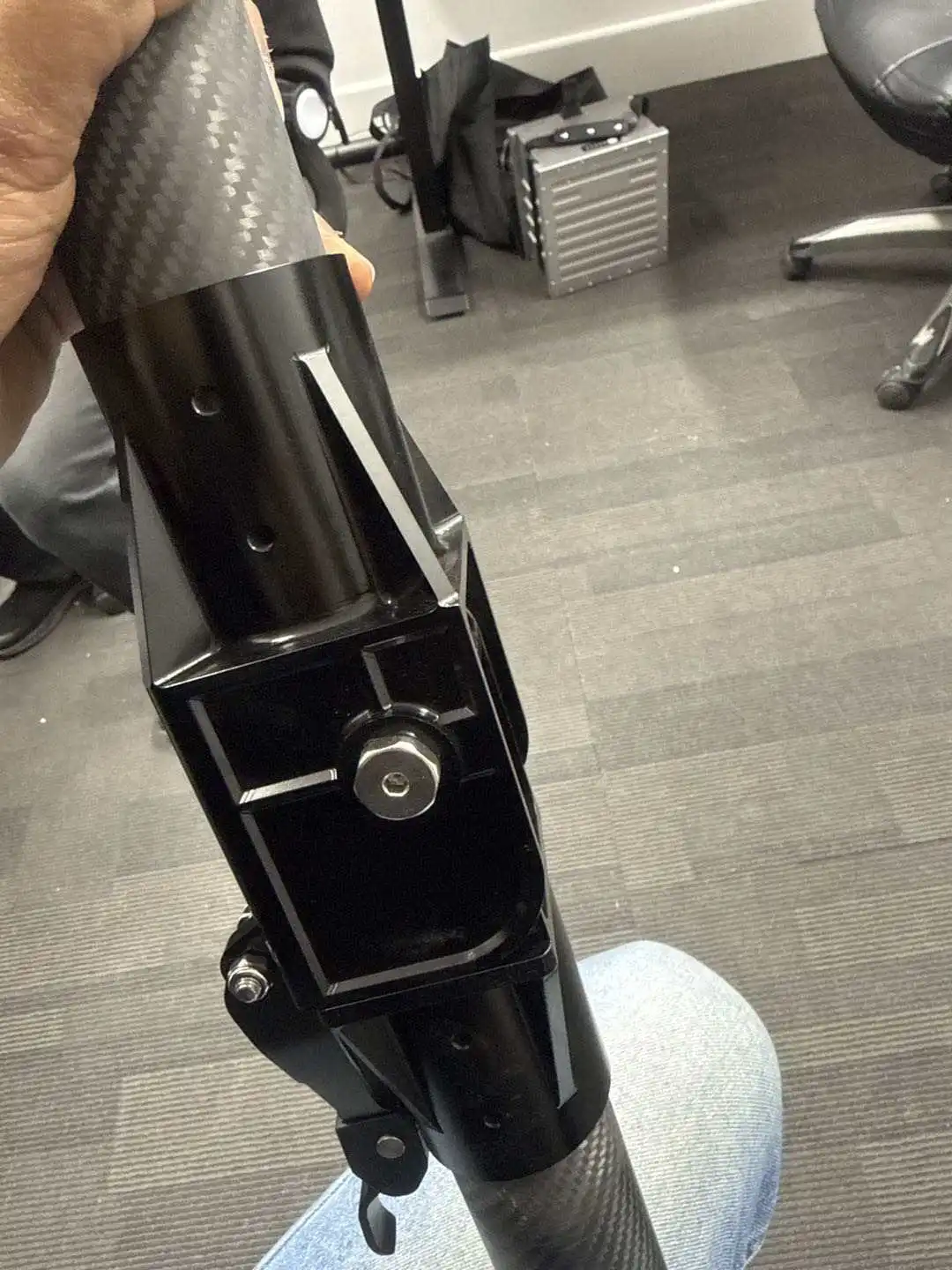
Parts: Carbon fiber tube connectors, aluminum alloy central frames, motor mounting bases (mass production)

Process: 5-axis CNC milling + black anodizing

Quantity: Prototype to small-batch production, 20–50 pieces per item

Lead time: 48 hours for prototypes / 7 days for batch production

Background

Our client develops heavy-lift industrial drones deployed in open-pit mining environments — a field where UAVs must withstand extreme dust, vibration, and temperature cycling while carrying payloads of 150 kg and above.

They approached Lize Precision with a set of structural airframe components that had previously been outsourced to a general machining shop. The result: inconsistent tolerances, cosmetic defects on anodized surfaces, and — most critically — a connector joint that failed during field testing due to poor bore concentricity.

Their lead engineer needed a manufacturing partner who could understand the structural demands of the design, not just read the drawing.

Technical Challenges

1) Carbon Fiber Tube Connector — Interface Concentricity
Requirement: Bore concentricity ≤ 0.02mm; inner diameter tolerance H7 (±0.012mm)
Challenge: The part geometry required simultaneous 5-axis fixturing — conventional 3-axis setups introduced repositioning errors that accumulated beyond tolerance.

Carbon Fiber Tube Connector

2) Center Frame / Bottom Plate — Thin-Wall Rigidity vs. Weight
Requirement: Flatness ≤ 0.05mm across the full plate; no deformation after machining
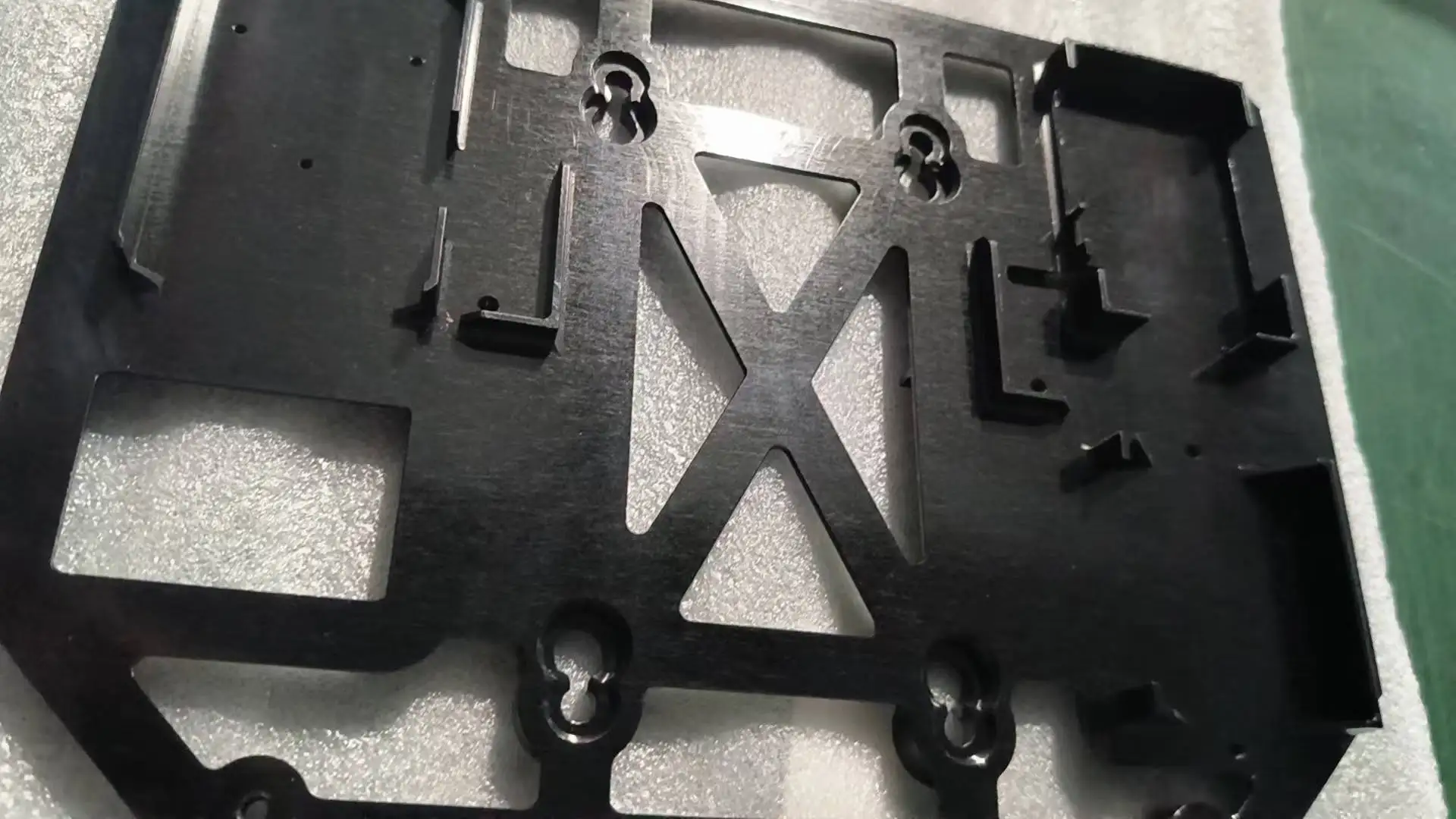
Challenge: Thin-wall aluminum panels are prone to vibration chatter and springback during machining. Maintaining flatness while preserving the integrity of the lattice ribs required custom workholding and optimized toolpath sequencing.

Center Frame

3) Motor Mount Housing — Batch Consistency for Assembly Line Integration
Requirement: Critical bore diameter tolerance ±0.01mm, consistent across all 30 pieces
Challenge: Batch consistency at this tolerance level demands process control beyond individual part inspection — tool wear monitoring, fixture repeatability verification, and in-process gauging at defined intervals.

Lize’s Solution

  • Free DFM review before cutting; suggested minor chamfer modification reducing cutting forces by about 20%.
  • Relaxed one internal corner from R0.3mm to R0.5mm, reducing cycle time by 15%.
  • 5-axis single-setup machining for all three parts.
  • Type II black anodizing, target thickness 10–15μm.
  • 100% CMM inspection plus batch report.

Results table

MetricPrevious SupplierLize Precision
Connector bore concentricity0.06mm0.013mm
Center frame flatness0.12mm0.038mm
Motor mount bore consistency (30 pcs)±0.025mm spread±0.008mm spread
Anodizing surface defect rateabout 18% rejection0% rejection
Lead time (batch 30 pcs)18 days7 days

Client Feedback

“The DFM feedback before production was something we hadn’t seen from a supplier before. It saved us both time and cost. More importantly, the batch consistency on the motor mounts meant we could run assembly without any hand-fitting — that’s the standard we need to scale.”
— Engineering Lead, Mining UAV Manufacturer (confidential)

Closing CTA